
Empowering Rural Communities Through Sustainable Livelihoods
Livelihood support works when it starts from what a community already knows how to do. A look at how we choose which skills to back.
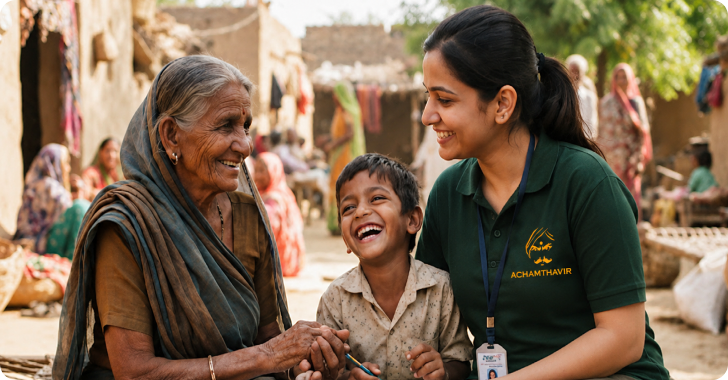
The fastest way to waste a livelihood budget is to arrive with a trade already chosen. Training that ignores what a community already does well produces certificates, not income.
Start with what already works
Before any programme begins, we spend time asking a narrower question than most surveys do: what does someone here already earn money from, and what stops them earning more of it? The answer is usually not a missing skill. It is a missing tool, a missing buyer, or a missing month of working capital.
Fill the gap, not the syllabus
Where the gap is equipment, we fund equipment. Where it is market access, we work on the route to the buyer. Where it is genuinely skill, training is short, practical and delivered by someone who does the work for a living.
Women-led enterprise
Household income rises fastest and stays highest where women control the earning. Our support is weighted accordingly, with particular attention to enterprises that can be run alongside existing responsibilities rather than instead of them.
Measuring the right thing
Attendance is easy to count and tells you almost nothing. We track income twelve months on, and whether the activity continued without us. Those two numbers are harder to move, which is exactly why they are worth reporting.
What this looks like next year
We are extending the model to two further districts, keeping the same discipline: no new trade unless someone local is already making it pay.