
Notes From the Field: A Medical Camp in Numbers
What one day of a rural health camp looks like once you count it properly — who came, what was found, and what happened next.
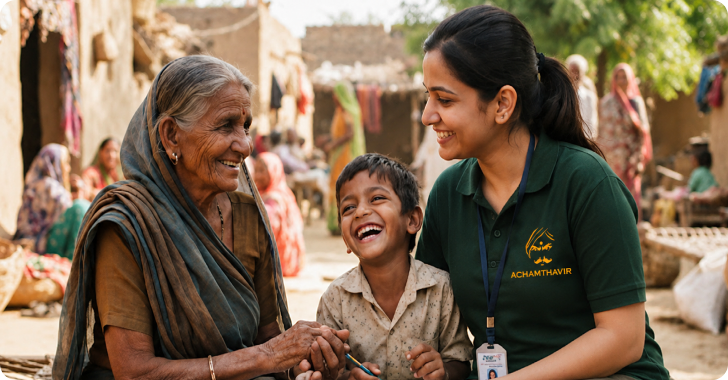
Health camps are easy to photograph and hard to evaluate. This is an attempt to describe one honestly.
Who came
Attendance skewed older and more female than the surrounding population — the pattern we see almost everywhere. Working-age men are consistently the hardest group to reach, and an early-morning or evening slot reaches them better than a mid-day one.
What was found
The majority of findings were undiagnosed hypertension and diabetes: conditions that are cheap to manage early and expensive to manage late. A smaller number needed onward referral.
The part that decides whether it worked
A diagnosis handed over at a camp is not a treatment. What matters is how many of those referrals were actually completed, and that number depends almost entirely on whether someone followed up by phone in the two weeks afterwards.
What we changed
Follow-up calls are now part of the camp budget rather than an afterthought, and we schedule the next camp in the same village rather than moving on. Repeat visits build the trust that a first visit cannot.